Baseball is one of the world's most established sports, combining strategy, speed, coordination and athletic performance. From professional stadiums to schools, universities, municipal sports facilities and private clubs, baseball fields can be designed for a wide range of users and playing levels.
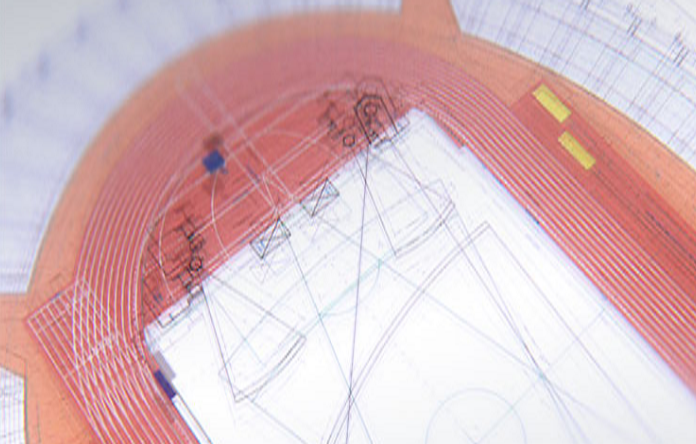
Building a baseball field is much more than preparing a large area and installing a playing surface. Site conditions, drainage, field orientation, turf selection, player safety, lighting, fencing and long-term maintenance must all be considered during the planning process.
With international experience dating back to 1996, B&C Scandinavia Sports provides professional sports facility solutions adapted to different climates, site conditions and project requirements. Our goal is not simply to build a playing field, but to create a safe, durable, functional and high-performance sports environment.
Baseball fields can be constructed in many different locations depending on their intended use, level of play and available space.
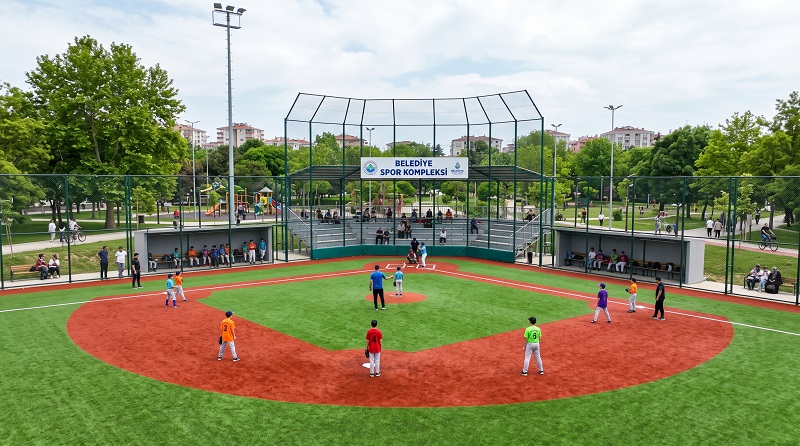
City parks, municipal sports complexes and public recreation areas are ideal locations for community baseball fields.
These facilities can serve children, young athletes, amateur players and local clubs. Therefore, durability, safety and low maintenance requirements are particularly important.
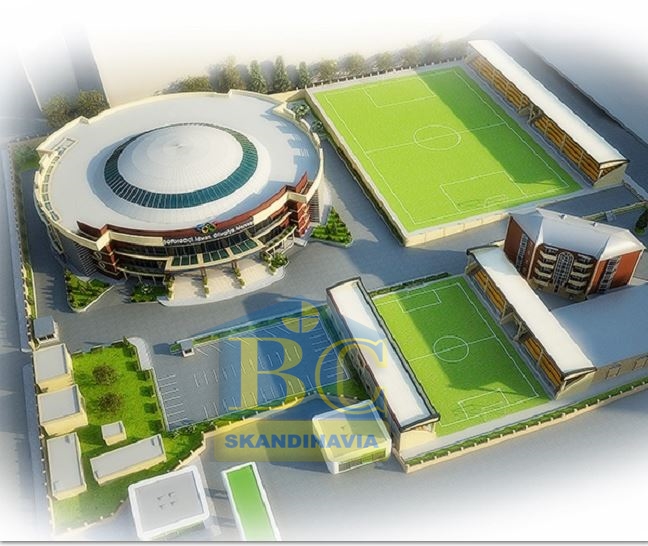
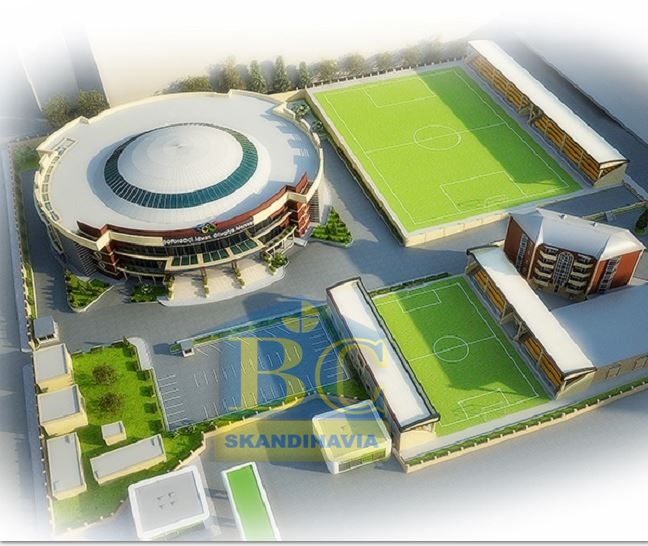
Professional baseball facilities require a much more comprehensive approach. In addition to the playing field itself, the project may include spectator stands, changing rooms, training areas, lighting systems, safety netting and supporting infrastructure.
A professional field must be designed to withstand intensive use while maintaining consistent playing conditions.
Schools and universities play an important role in developing young baseball players.
Educational facilities may use smaller field dimensions depending on the age group and level of competition. However, safety should always remain a priority. Backstop systems, protective netting, fencing and safe circulation areas should be incorporated into the design.
Private sports clubs, fitness facilities, resorts, training centers and multi-purpose sports complexes can also benefit from baseball fields.
These facilities can be designed to support baseball training alongside other sports and recreational activities.
Baseball fields can also be developed within military bases, corporate campuses and large residential or institutional facilities.
In these environments, durability, security and efficient maintenance are often among the main project priorities.
Choosing the right site is one of the most important decisions in a baseball field project.
The available area must be evaluated not only for size but also for slope, soil conditions, drainage capacity, sunlight, prevailing wind direction and surrounding structures.
A controlled and stable surface is essential for consistent playing conditions. Excessive slope can increase earthworks, grading and construction costs.
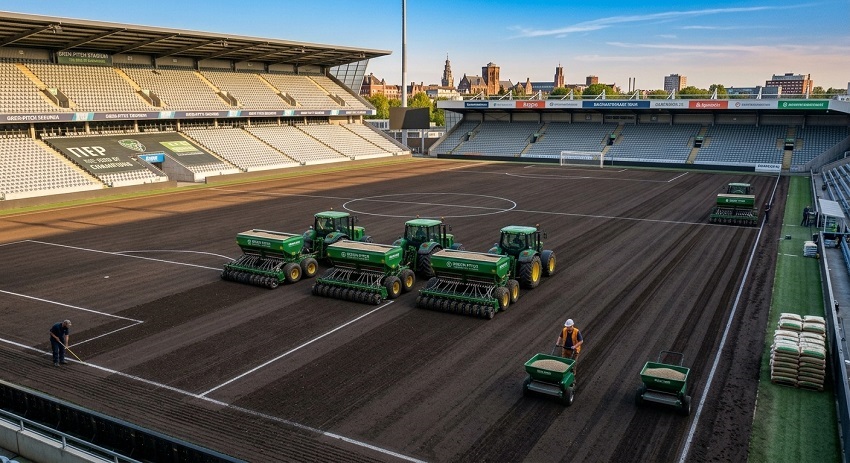
An efficient drainage system is critical for a baseball field. Standing water can make the field unusable and may cause long-term damage to the playing surface.
Surface grading, stormwater management and underground drainage should therefore be considered together during the design phase.
Field orientation should be carefully planned to minimize glare from the sun and reduce the potential impact of prevailing winds on players and game conditions.
These considerations become particularly important for professional and competition-level facilities.
The playing surface has a direct impact on performance, safety and maintenance costs.
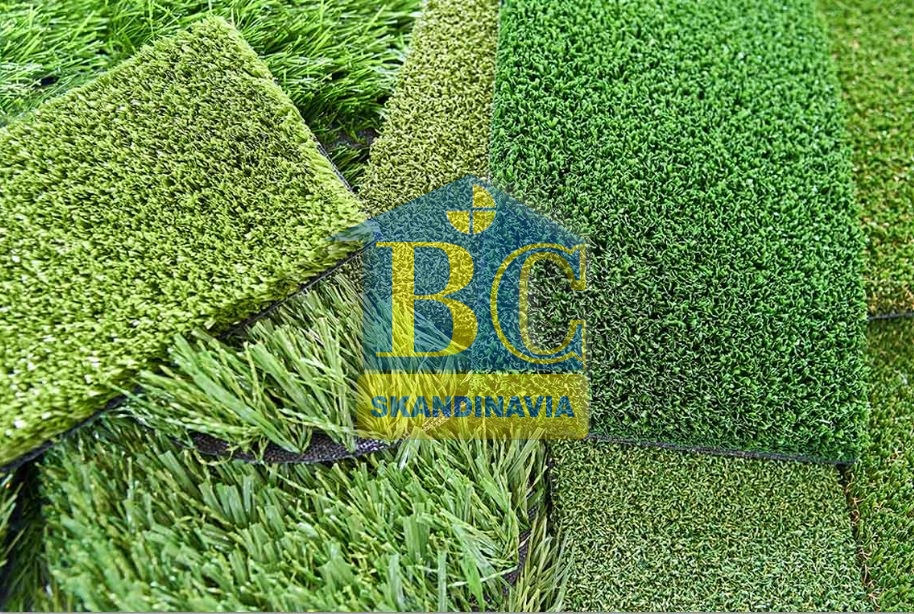
Depending on the climate, usage intensity, budget and maintenance capacity, a project may use natural grass, synthetic turf or hybrid systems.
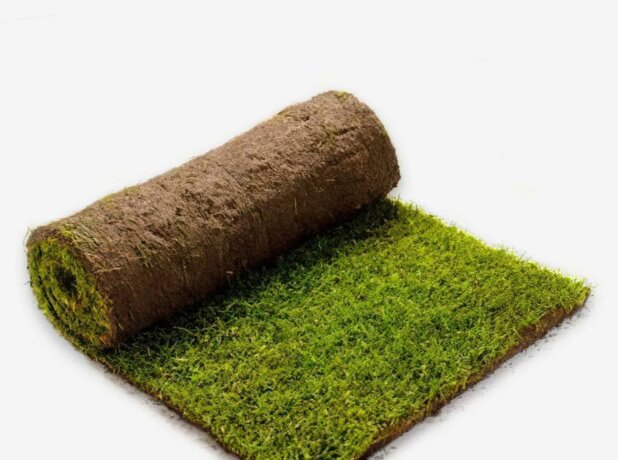
Natural grass provides a traditional playing experience and can offer excellent performance. However, it requires regular irrigation, mowing, fertilization, aeration and seasonal maintenance.
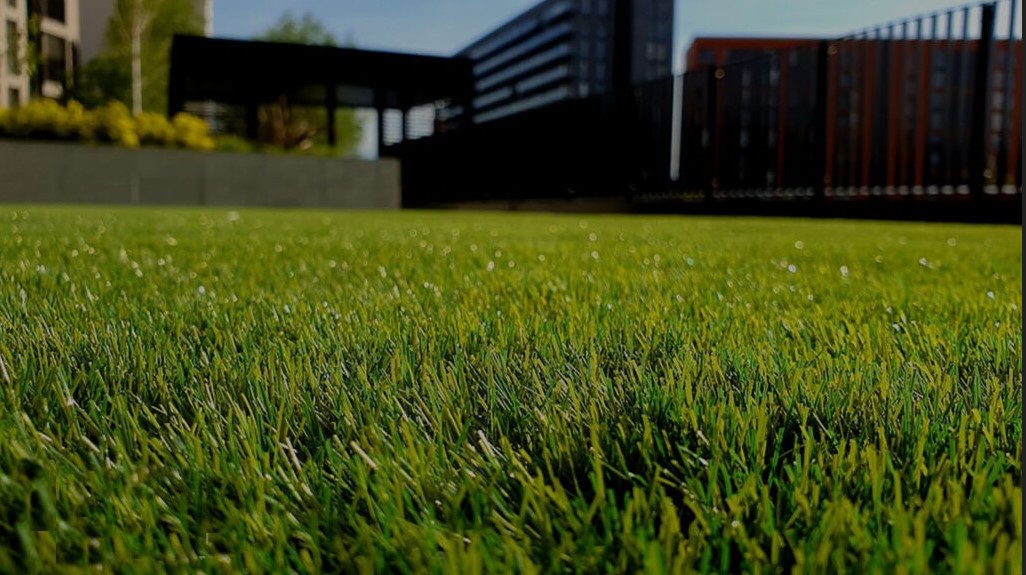
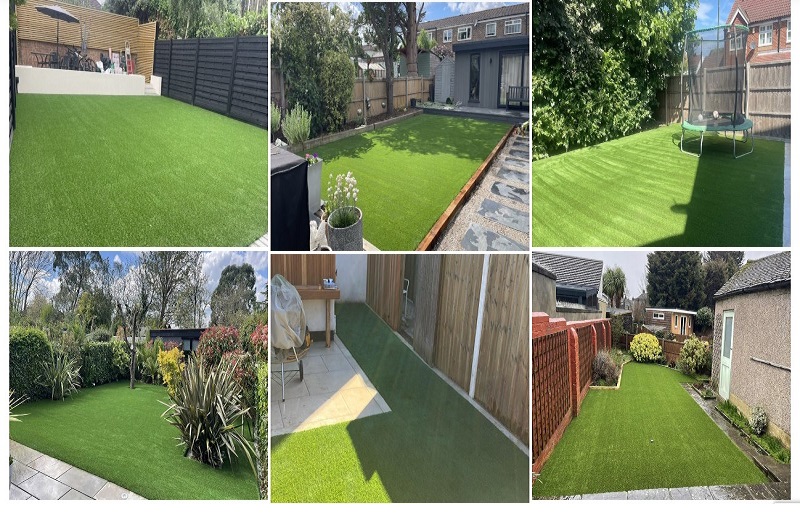
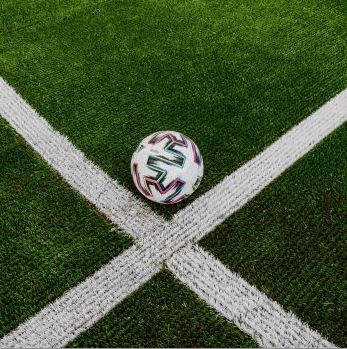
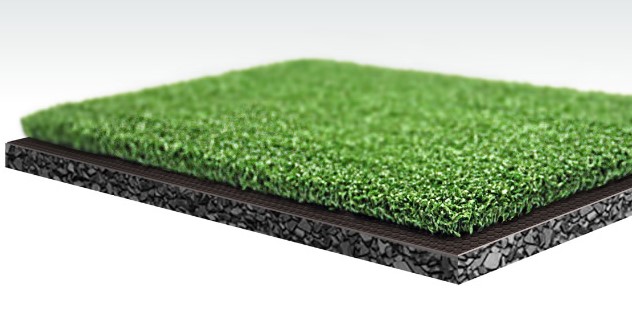
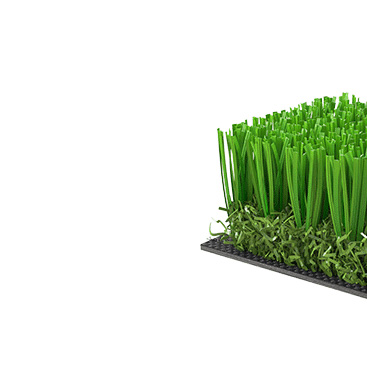
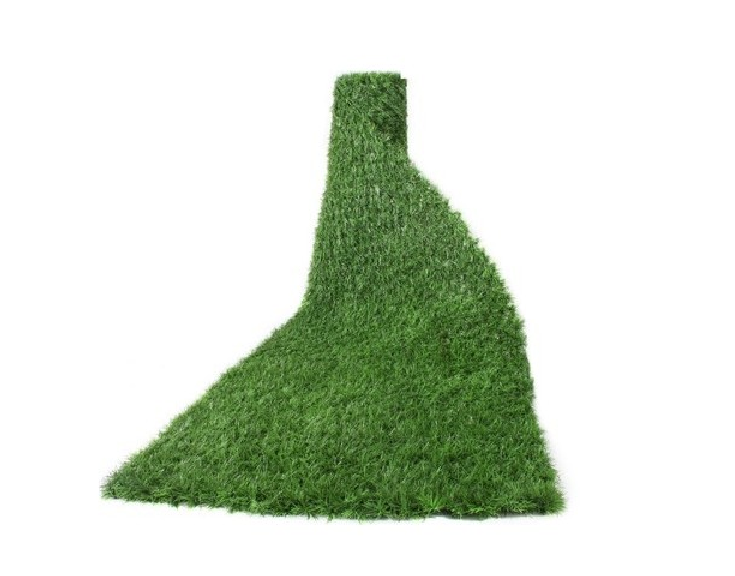
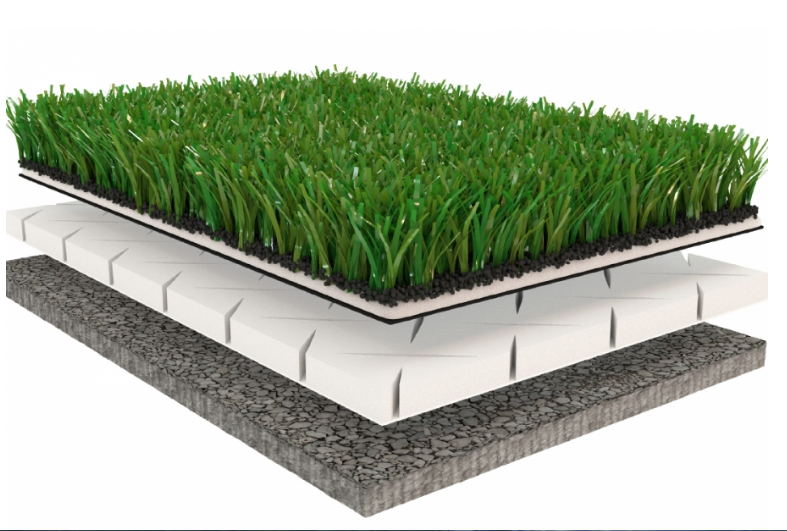
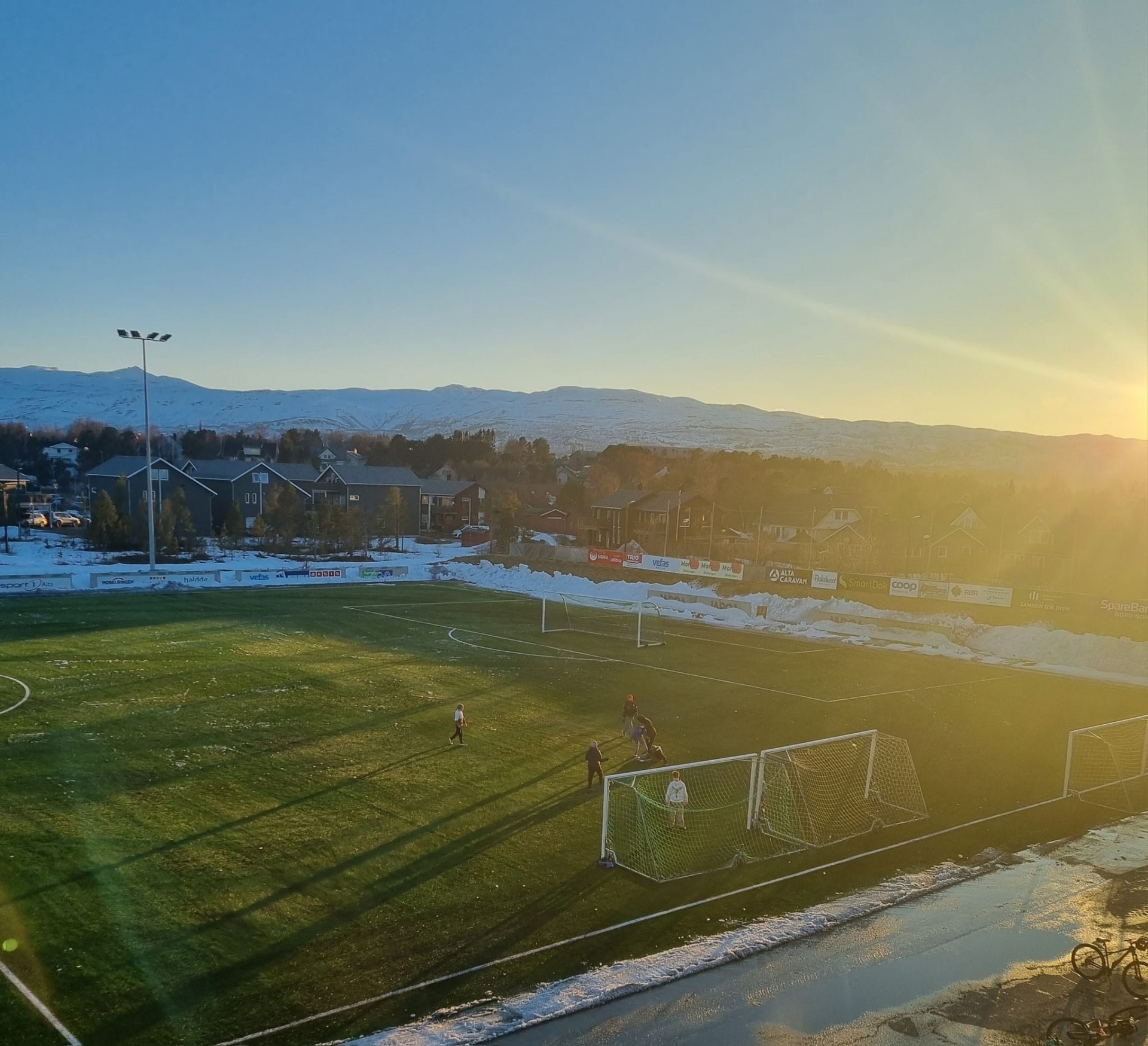
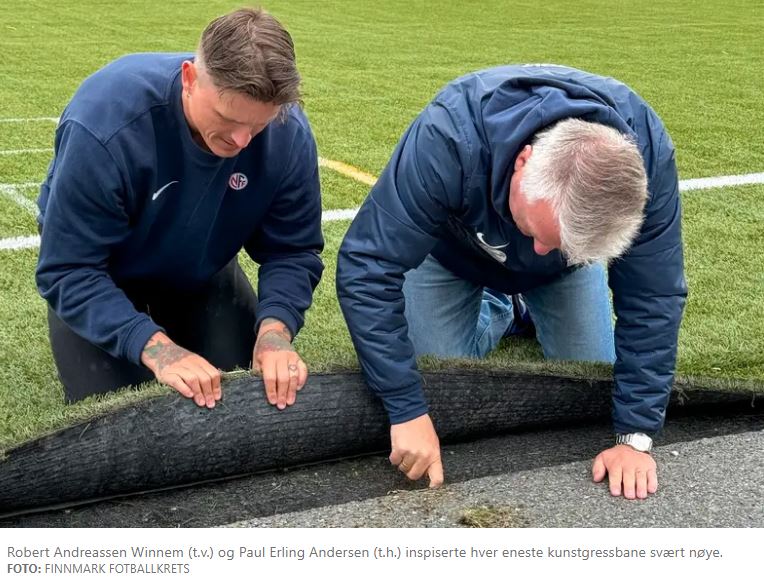
Synthetic turf is an attractive solution for heavily used sports facilities. It requires less routine maintenance and can provide more consistent playing conditions throughout the year.
Hybrid solutions can combine selected advantages of natural and synthetic surfaces and may be considered for high-performance facilities.
Because baseball involves high-speed balls and powerful movements, player and spectator safety must be an essential part of the design.
Depending on the facility, the project may include:
Backstop netting
Side protection netting
Perimeter fencing
Protective barriers
Separation between spectators and playing areas
Safe circulation paths
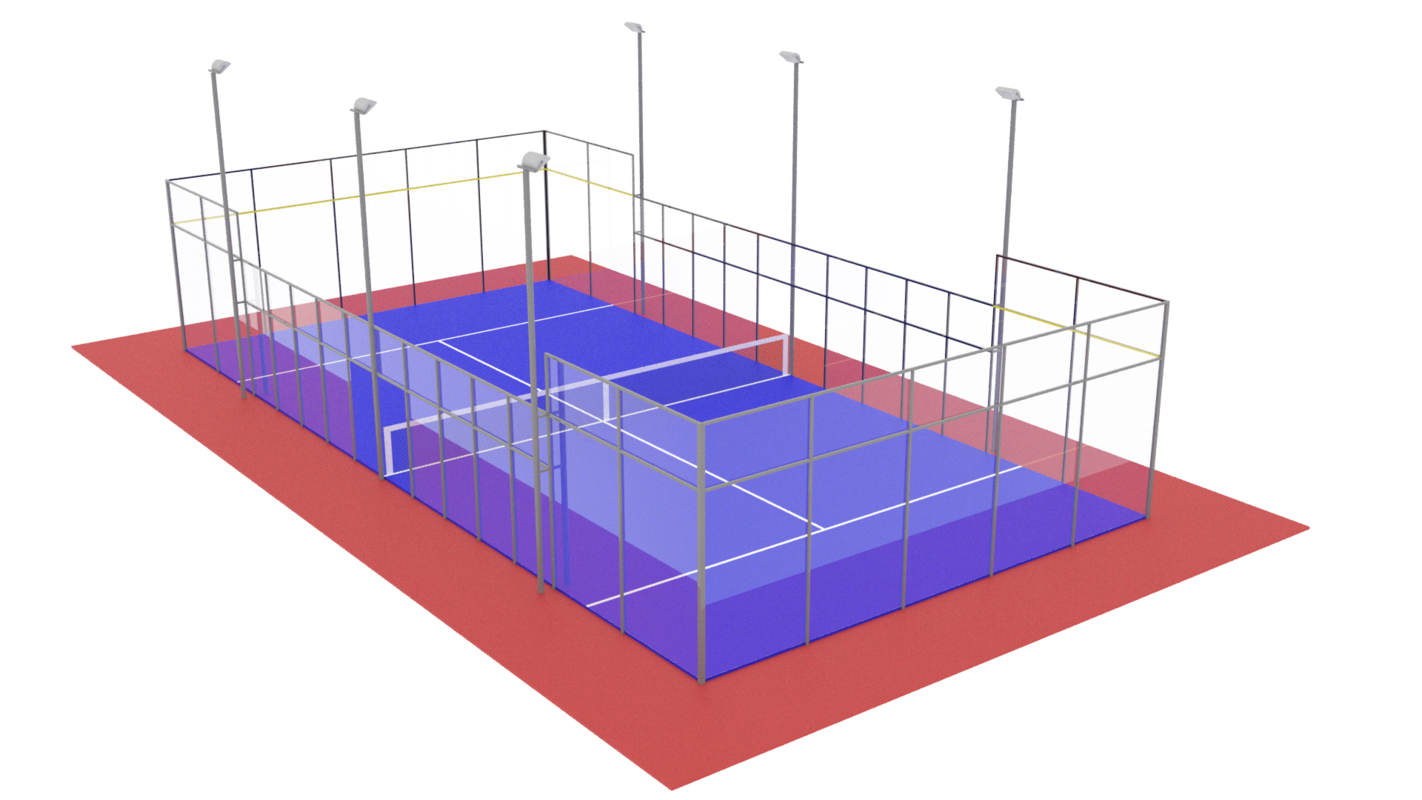
Professional sports lighting
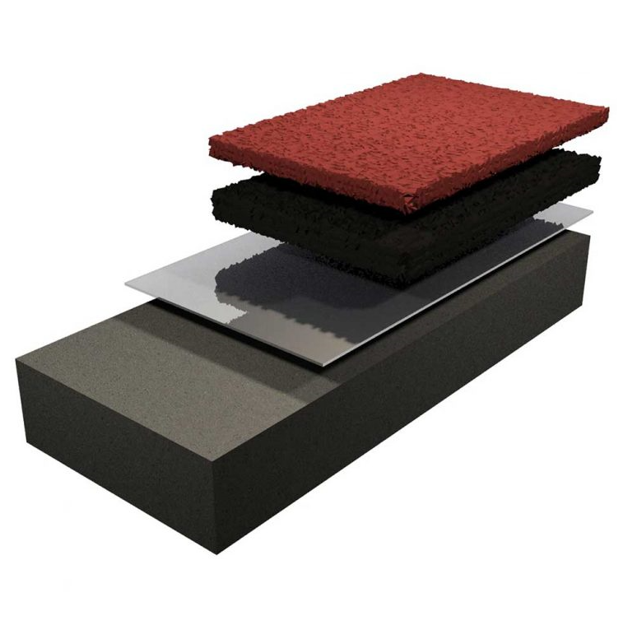
Impact-resistant and slip-resistant surfaces
For school and youth facilities, safety systems should be carefully designed according to the age and skill level of the users.
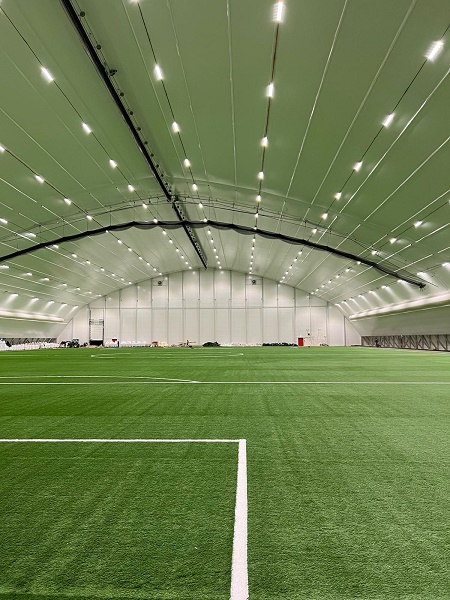
The decision between an outdoor and indoor baseball facility depends largely on the local climate, available budget and intended operating season.
| Feature | Open Baseball Field | Indoor Baseball Arena |
|---|---|---|
| Usage Period | Weather-dependent (Seasonal) | Every day of the year (24/7) |
| Floor Preference | Natural Grass or Hybrid/Synthetic | Fully Synthetic Turf |
| Construction Cost | Lower | Higher (Roof and air conditioning) |
| Care Needs | High due to external factors. | Low temperature (Protected from dust and moisture) |
| Lighting | High mast type floodlights |
Ceiling-mounted homogeneous LED systems |
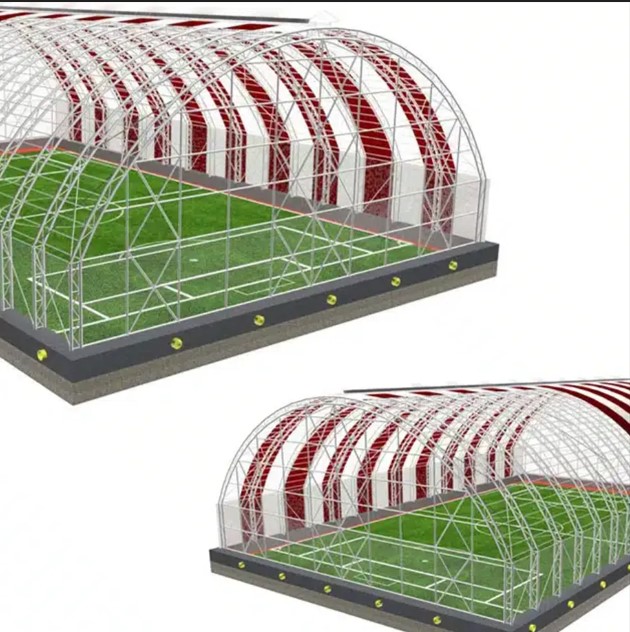
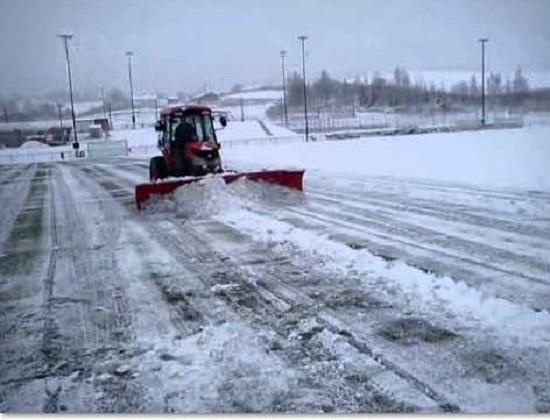
In Northern Europe and regions with long and demanding winters, indoor or partially enclosed baseball facilities can provide significant advantages by allowing athletes to train throughout the year.
A successful baseball field project involves much more than installing a playing surface. Site preparation, drainage, turf, fencing, lighting, safety systems and supporting facilities must work together as one integrated solution.
With decades of international experience, B&C Scandinavia Sports develops baseball facilities according to the specific requirements of each project.
Whether the project is a school field, municipal sports facility, professional club stadium or large-scale sports complex, the design should be adapted to the available site, climate, expected usage and long-term operating requirements.
The right location, reliable infrastructure, effective drainage, suitable playing surface and professional safety systems are the foundation of a durable and high-performance baseball field.
At B&C Scandinavia Sports, we combine international experience with modern sports construction solutions to deliver baseball facilities ranging from community and school fields to professional-level projects.
Planning a baseball field project? Contact our team to discuss your site, technical requirements and the most suitable solution for your facility.