Stadium Construction Stages
Stadium construction involves multiple critical stages, including considerations before and after the design phase. In this text, we outline the key steps involved in the stadium construction process.
Stadium construction involves multiple critical stages, including considerations before and after the design phase. In this text, we outline the key steps involved in the stadium construction process.
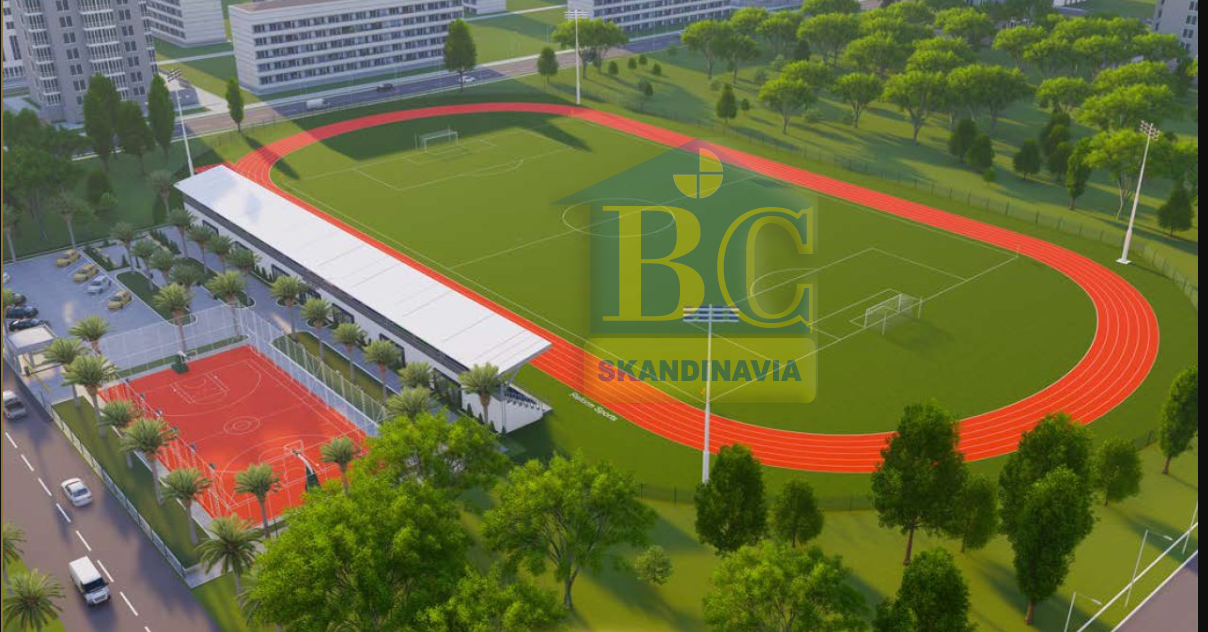
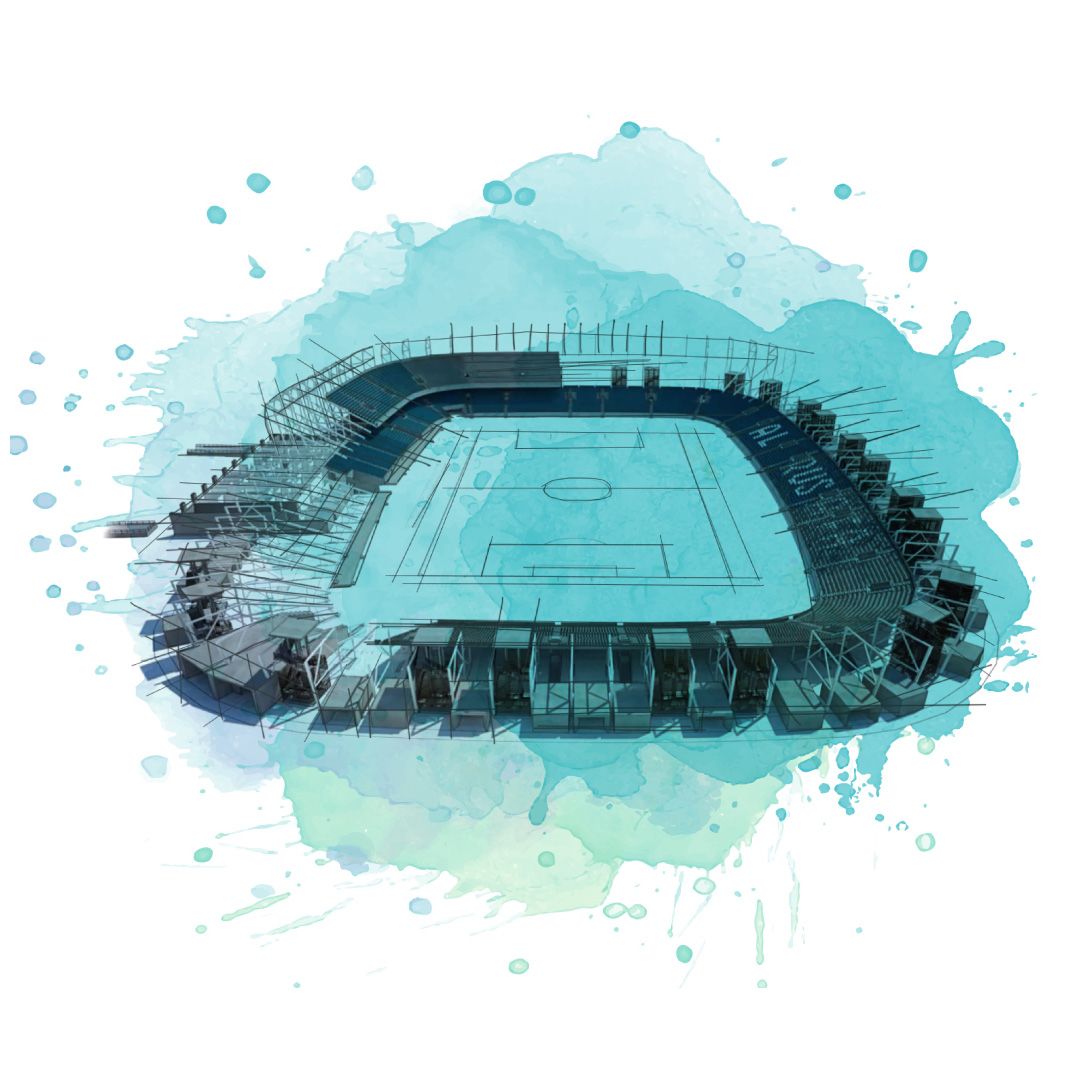
The construction process begins with excavation works on the existing land, preparing the site for infrastructure development. For stadiums with steel-structured tribunes, reinforced concrete is poured to form the foundation of the stands.
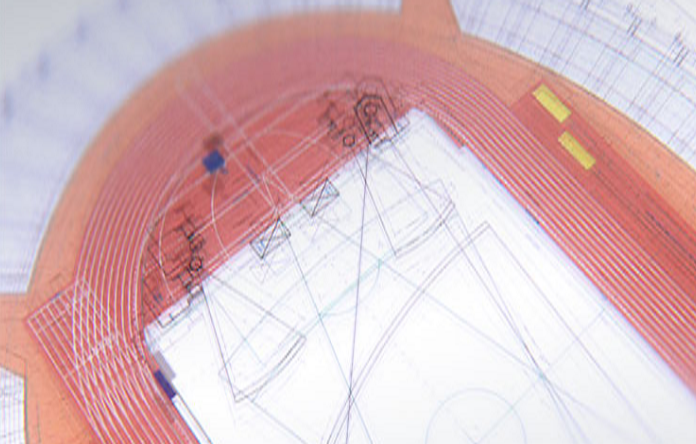
A drainage system is installed as part of the football field infrastructure to ensure proper water management and long-term surface performance. For the athletics track, steel mesh reinforced concrete is applied, followed by an asphalt layer to prepare the base.
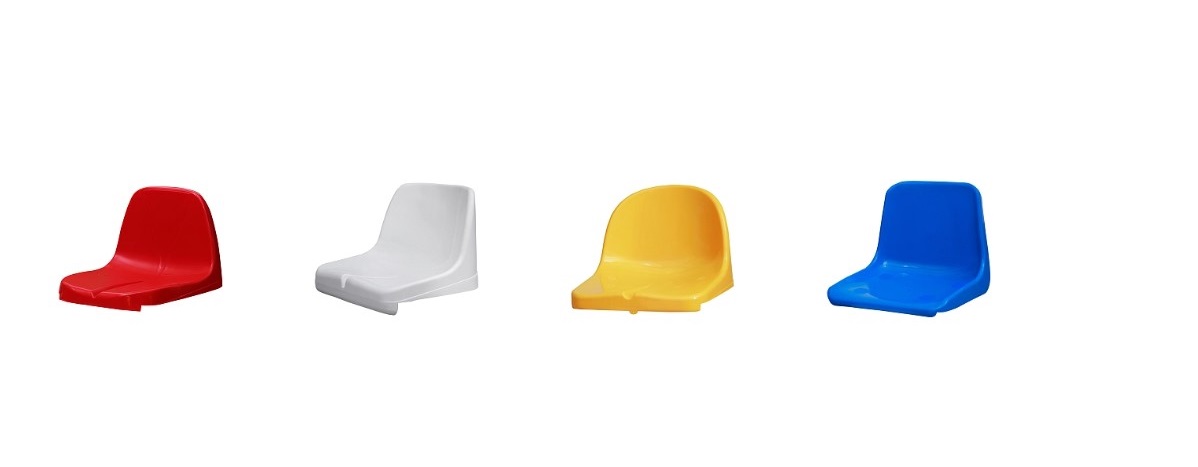
Steel tribune structures are manufactured in a factory environment, where all welding, painting, and/or galvanization processes are completed in accordance with quality standards. These prefabricated elements are then transported to the site and assembled. Once the steel construction is completed, seating installation is carried out.
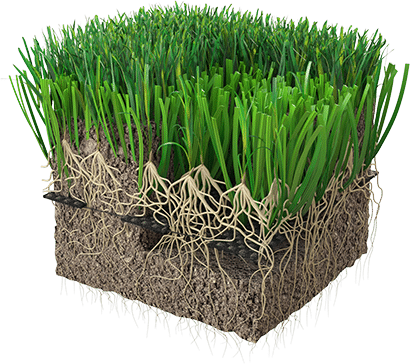
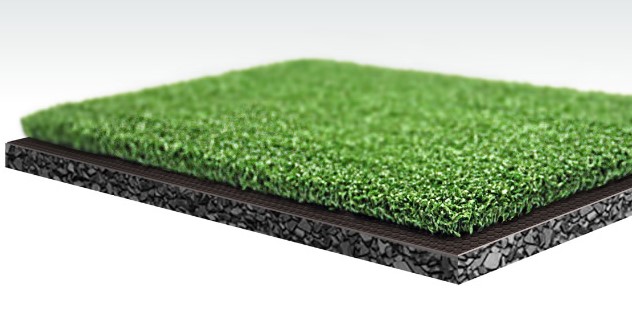
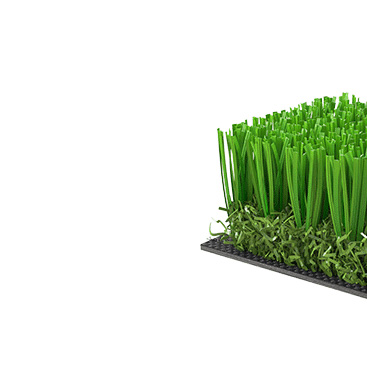
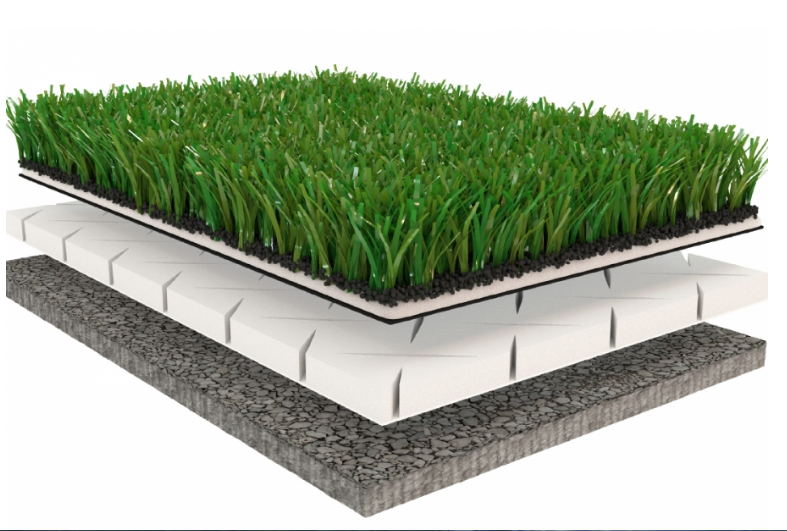
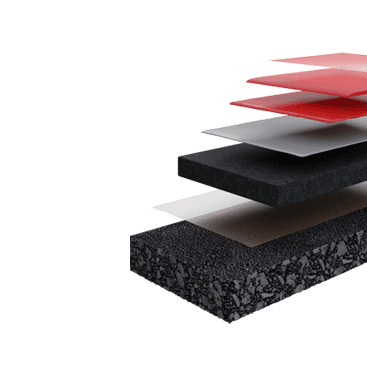
During the stadium construction process, a sandwich system surface is applied to the athletics track. The football field is covered with either hybrid turf, artificial turf, or natural grass, depending on project requirements. In many projects, synthetic turf is preferred for training fields due to its cost efficiency and lower maintenance needs.
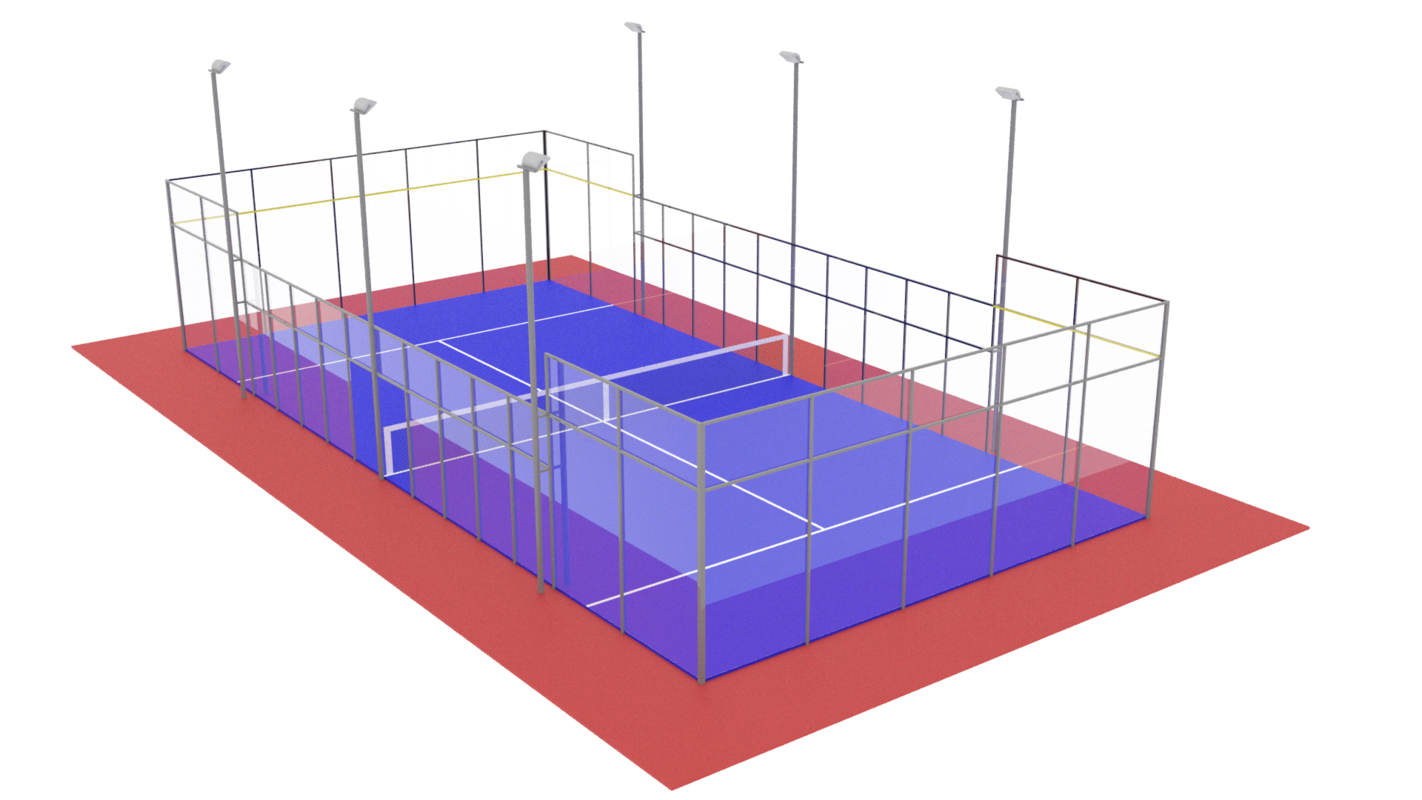
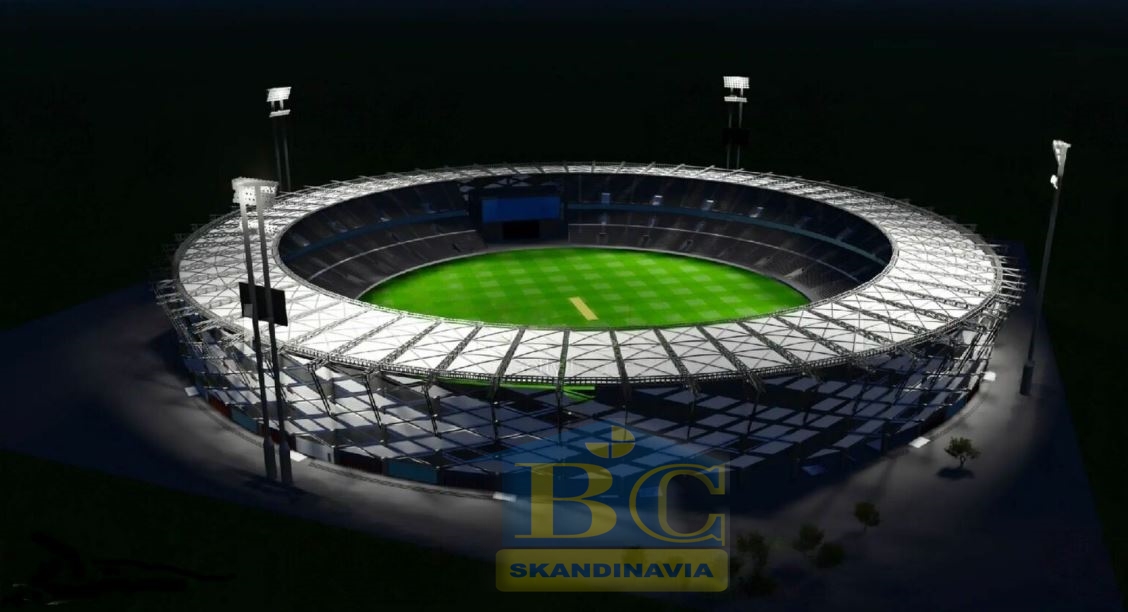
Finally, the stadium lighting system is installed using galvanized poles, ensuring that the facility meets required illumination standards.
Stadium Construction Stages Construction Stages
- 1. Stage
🏟️ 1. Pre-Design Phase (Planning)
This phase is the most critical in determining the overall success of the project.
Site selection and analysis
Soil investigation (geological and geotechnical studies)
Transportation, parking, and urban connectivity
Needs assessment program
Capacity planning (number of spectators)
Multi-purpose usage (football, athletics, concerts, etc.)
Budgeting and financing plan
Legal permits and regulatory compliance
Architectural and engineering design
Structural, mechanical, and electrical projects
- 2. Stage
🏗️ 2. Construction Phase
This phase includes the execution of all technical works:
🔹 Infrastructure and Ground Preparation
Excavation and grading works
Preparation of foundation and infrastructure systems
Installation of drainage systems (critical for field performance)
🔹 Structural Systems
Reinforced concrete works for tribune foundations
Steel tribune components:
Factory fabrication (welding, painting, galvanization)
On-site assembly
🔹 Sports Areas
Football field infrastructure (drainage and base layers)
Turf options:
Natural grass
Hybrid turf
Artificial turf
Athletics track:
Steel mesh reinforced concrete
Asphalt and synthetic surface (sandwich system)
🔹 Superstructure and Equipment
Installation of seating systems
Lighting systems (galvanized poles)
Scoreboards, sound systems, and security systems
- 3. Stage
⚙️ 3. Post-Construction Phase (Commissioning)
Often overlooked, yet highly critical:
Testing and inspection processes
Lighting tests
Drainage and irrigation systems
Safety and certification
Compliance with international standards (e.g., FIFA/UEFA)
Maintenance planning
Turf maintenance
Structural inspections
Operation planning
Event management
Revenue models (ticketing, sponsorships, leasing)
- 4. Stage
📌 Key Considerations
Poor drainage can render the field unusable
Corrosion protection is essential for steel structures
Lighting must meet broadcasting standards
Spectator safety (evacuation plans, capacity control) must be properly designed
Indoor & Outdoor Stadiums
PRODUCTS
You can examine our products that you can use in the production of sports equipment.
ALL PRODUCTS